Free delivery to Sweden in 2–5 business daysFast and reliable shipping with tracking included.
Wand vervollständigen
Wir haben Ihnen eine E-Mail mit einem Link zum Aktualisieren des Passworts geschickt.
Passwort zurücksetzen
Wir werden Ihnen eine E-Mail zum Zurücksetzen des Passworts schicken.
August-Angebot
—
Ruhige Luxus-Interieurs – Warum Kunst wichtiger ist als Möbel
Sebastian Plengier
0 Kommentare
Der Aufstieg des stillen Luxus
Unaufdringlicher Luxus hat sich in den letzten Jahren zu einer der prägendsten Bewegungen im Interior Design entwickelt. Anders als trendorientierte oder logo-lastige Ästhetik ist unaufdringlicher Luxus subtil, bewusst gestaltet und zutiefst persönlich. Er legt Wert auf Zurückhaltung statt Überfluss, Qualität statt Quantität und Zeitlosigkeit statt Neuheit. In diesen Interieurs wird Luxus nicht verkündet – er ist spürbar.
Warum Kunst den Raum definiert
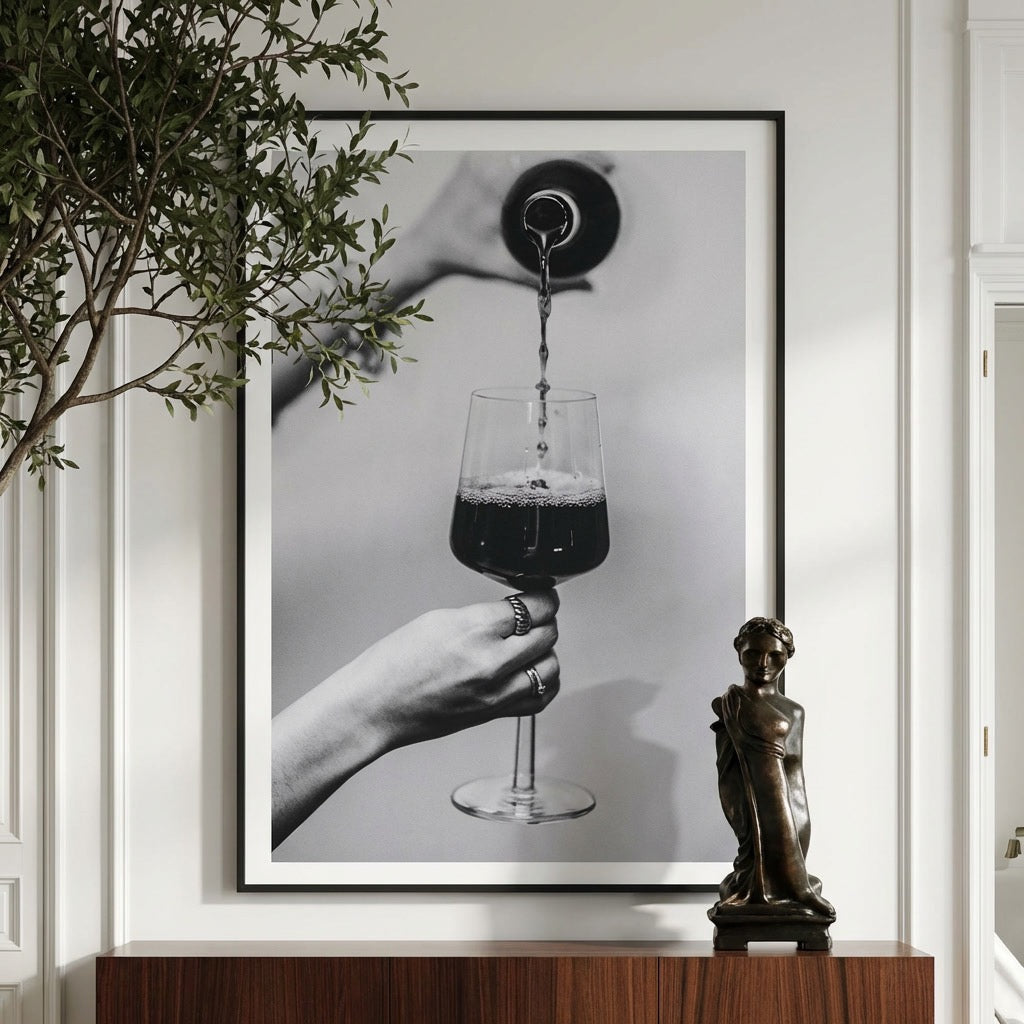
In eleganten, ruhigen Interieurs spielt Kunst eine wichtigere Rolle als Möbel. Sofas, Tische und Beleuchtung dienen der Raumgestaltung, doch die Wandkunst verleiht dem Raum seine Seele. Ein sorgfältig ausgewähltes Kunstwerk bestimmt die emotionale Atmosphäre eines Zimmers – ob Ruhe, Zuversicht, Nostalgie oder Konzentration. Möbel lassen sich austauschen oder umstellen, aber die Kunst wird zum Anker, der dem Raum Identität verleiht.
Weniger Objekte, stärkere Präsenz
Eines der Grundprinzipien von unaufdringlichem Luxus ist Reduktion. Anstatt einen Raum mit Dekorationsobjekten zu füllen, liegt der Fokus auf wenigen, aber aussagekräftigen Elementen. Großformatige oder sorgfältig gerahmte Vintage-Poster ersetzen oft viele kleinere Accessoires und schaffen so visuelle Klarheit und ein Gefühl von Selbstbewusstsein. Das Ergebnis ist ein Raum, der eher kuratiert als gestylt wirkt.
Unaufdringlicher Luxus setzt auf zeitlose Bildsprache. Vintage-Fotografien, Architekturaufnahmen und Lifestyle-Momente der 1980er und 1990er Jahre wirken so ansprechend, weil sie auf Atmosphäre statt auf Trends basieren. Diese Kunstwerke vermitteln ein Gefühl von Erinnerung und Beständigkeit und harmonieren perfekt mit Interieurs, die auf Würde und Eleganz im Alter ausgelegt sind.
Wie Kunst die Atmosphäre prägt
Kunst besitzt die einzigartige Fähigkeit, die Atmosphäre eines Raumes beim Betreten maßgeblich zu beeinflussen. Ein einzelnes Wandbild kann einen Raum ruhiger, konzentrierter oder weitläufiger wirken lassen. In ruhigen Luxuswohnungen wird Kunst bewusst platziert – oft auf Augenhöhe und mit großzügigem Freiraum –, sodass sie mit Licht, Architektur und Proportionen interagieren kann. Um die grundlegenden Prinzipien dieses Ansatzes zu verstehen, ist ein grundlegendes Verständnis der Innenarchitektur unerlässlich.
Warum Möbel eine untergeordnete Rolle spielen
In eleganten, ruhigen Interieurs ist die Möblierung bewusst zurückhaltend. Neutrale Töne, klare Linien und natürliche Materialien schaffen einen ruhigen Hintergrund, anstatt im Mittelpunkt zu stehen. So kann die Kunst die visuelle Führung übernehmen, während die Möbel Funktion und Komfort gewährleisten. Die Hierarchie ist klar: Die Kunst gibt die Stimmung vor, die Möbel folgen.
Gestaltung eines ruhigen Luxus-Interieurs
Ein ruhiges, luxuriöses Zuhause zu schaffen, erfordert keine Komplettrenovierung. Beginnen Sie damit, visuelle Unruhe zu reduzieren und ein ausdrucksstarkes Kunstwerk zu integrieren, das Ihre Werte, Ihren Lebensstil oder Ihre Erinnerungen widerspiegelt. Wählen Sie hochwertige Drucke, zeitlose Motive und eine sorgfältige Rahmung. Kollektionen, die nach diesem Prinzip zusammengestellt wurden, wie beispielsweise die von Belora & Co , konzentrieren sich auf Atmosphäre statt auf Dekoration.
Abschluss
Ruhige, luxuriöse Interieurs erinnern uns daran, dass wahre Eleganz im Detail liegt. Während Möbel Struktur verleihen, verleiht Kunst Bedeutung. Indem zeitlose Wandkunst trendorientierten Möbeln vorgezogen wird, wirken die Räume ruhiger, persönlicher und beständiger. Letztendlich geht es bei Luxus nicht darum, was man besitzt, sondern darum, wie man sich in seinen Räumen fühlt.
Ordered this as a gift. The print quality is very good, colors are rich without looking oversaturated, and the paper has this subtle texture. Bought with a frame and the frame feels solid